The Shared Battery
Cerita bahasa Inggris gratis level B2 untuk pelajar, bisa dibaca online dalam 5 bahasa, dengan pilihan untuk mendengarkannya di aplikasi Storyteller gratis.
During a three-day blackout, a neighborhood argues over a single solar battery until one neighbor writes a fair priority list in chalk.
Itu cuplikannya! Dengarkan cerita lengkapnya di aplikasi Storyteller gratis. Unduh aplikasi
Audio belum tersedia saat ini.
The community battery on Orchard Row was the size of a garden shed. For six years it had been charged by the solar panels on the old bike shop's roof. On ordinary days nobody thought about it. A screen above its door showed a percentage, and the street saved a little money every winter.
Baterai komunitas di Orchard Row seukuran gudang taman. Selama enam tahun ia diisi oleh panel surya di atap toko sepeda tua. Pada hari-hari biasa tak seorang pun memikirkannya. Sebuah layar di atas pintunya menampilkan persentase, dan jalan itu menghemat sedikit uang setiap musim dingin.
On the first night of the storm, that changed. A fallen tree took down the main line, and the streetlights died. The battery, which had been designed for sharing, became the only electricity for forty households.
Pada malam pertama badai, semuanya berubah. Sebatang pohon tumbang memutus jaringan utama, dan lampu-lampu jalan padam. Baterai itu, yang dirancang untuk berbagi, menjadi satu-satunya listrik bagi empat puluh rumah tangga.
By the second morning, thirty-odd people were standing outside the shed, each holding something to plug in. A man carried a cooler full of fish. A teenager held a phone with two percent left. Someone had even brought a drill, although there was no job to use it on.
Pada pagi kedua, tiga puluhan orang berdiri di luar gudang itu, masing-masing memegang sesuatu untuk dicolokkan. Seorang pria membawa kotak pendingin penuh ikan. Seorang remaja memegang ponsel dengan baterai dua persen. Seseorang bahkan membawa bor, meskipun tak ada pekerjaan untuk memakainya.
"I was here first," a woman said. "This is exactly how it will end," said another. "Whoever shouts loudest gets the power." Jovana, whose mother needed a small breathing machine at night, stood very still at the back. She had not raised her voice once, and Cornelia noticed that.
"Saya yang datang lebih dulu," kata seorang perempuan. "Beginilah akhirnya nanti," kata yang lain. "Siapa yang paling keras berteriak, dia yang dapat listrik." Jovana, yang ibunya membutuhkan mesin napas kecil pada malam hari, berdiri sangat diam di belakang. Ia tidak sekali pun meninggikan suara, dan Cornelia memperhatikan hal itu.
Cornelia, who chaired the street's volunteer committee, had been up since five, checking the screen. What she had seen was alarming: sixty-one percent, falling much faster than the clouds would let the sun refill it.
Cornelia, yang memimpin panitia sukarelawan jalan itu, sudah terjaga sejak pukul lima, memeriksa layar. Yang ia lihat mengkhawatirkan: enam puluh satu persen, turun jauh lebih cepat daripada kemampuan awan membiarkan matahari mengisinya kembali.
"If we carry on like this, it will be empty by tonight," she said, loudly enough for the front row. "If we were sensible, we would decide in advance who needs it most."
"Kalau kita terus begini, baterainya akan kosong malam ini," katanya, cukup keras untuk terdengar barisan depan. "Kalau kita bijaksana, kita akan memutuskan sebelumnya siapa yang paling membutuhkannya."
An argument followed. The man with the fish said that his freezer was a week of food. The teenager said that phones were how help was called. Somebody muttered that it was typical of the committee to want to be in charge.
Perdebatan pun menyusul. Pria dengan ikan itu berkata bahwa lemari esnya berisi persediaan makanan seminggu. Si remaja berkata bahwa ponsel adalah cara memanggil bantuan. Seseorang menggumam bahwa sudah khas panitia ingin berkuasa.
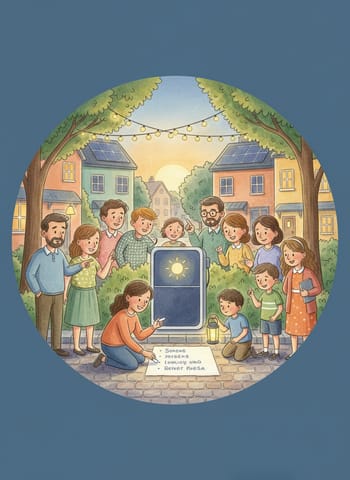
Cornelia took a piece of chalk from her pocket and wrote on the door of the shed, where everyone could read it. First: medical devices, day and night. Second: fridges that hold medicine. Third: phones, ten minutes each, in the order people had arrived. The freezers, she added, would have to wait for the sun, and she was sorry about that.
Cornelia mengambil sepotong kapur dari sakunya dan menulis di pintu gudang, tempat semua orang bisa membacanya. Pertama: alat medis, siang dan malam. Kedua: kulkas penyimpan obat. Ketiga: ponsel, sepuluh menit per orang, sesuai urutan kedatangan. Freezer, tambahnya, harus menunggu matahari, dan ia menyesalkannya.
"Who decided this?" someone asked.
"Siapa yang memutuskan ini?" tanya seseorang.
"Nobody decided it," Cornelia said. "I'm proposing it. If you can think of a fairer list, I will rub mine out right now."
"Tak ada yang memutuskannya," kata Cornelia. "Saya hanya mengusulkan. Kalau Anda bisa memikirkan daftar yang lebih adil, saya akan menghapus daftar saya sekarang juga."
Nobody could. There was a silence, and then the man with the fish laughed, tiredly, and carried his cooler to the back of the line.
Tak seorang pun bisa. Hening sejenak, lalu pria dengan ikan itu tertawa, dengan lelah, dan membawa kotak pendinginnya ke belakang antrean.
For three days the list stayed on the door. Jovana's mother's machine ran every night. The medicine fridges were topped up at noon. Phones were charged in ten-minute shifts, and the man with the fish, to everyone's surprise, volunteered to keep time with his watch.
Selama tiga hari daftar itu tetap di pintu. Mesin ibu Jovana menyala setiap malam. Kulkas obat diisi ulang pada siang hari. Ponsel diisi dalam giliran sepuluh menit, dan pria dengan ikan itu, di luar dugaan semua orang, menawarkan diri menghitung waktu dengan arlojinya.
On the fourth morning, the main line hummed back to life, and the streetlights blinked on one by one, as if embarrassed. People stood around the shed for a while anyway, unsure what to do with their hands.
Pada pagi keempat, jaringan utama berdengung hidup kembali, dan lampu-lampu jalan berkedip menyala satu per satu, seolah malu. Orang-orang tetap berdiri di sekitar gudang itu beberapa saat, tak yakin harus berbuat apa dengan tangan mereka.
Cornelia reached for the chalk to wipe the door, then stopped. Instead, she copied the list onto paper and taped it up between the maintenance notice and a faded flyer for the street party.
Cornelia meraih kapur untuk menghapus pintu itu, lalu berhenti. Sebaliknya, ia menyalin daftar itu ke atas kertas dan menempelkannya di antara pengumuman perawatan dan selebaran pudar untuk pesta jalan.
When she came back in the afternoon, someone had added a line in pencil at the bottom: Phones, but ask the person behind you first.
Ketika ia kembali pada sore hari, seseorang telah menambahkan satu baris dengan pensil di bagian bawah: Ponsel, tapi tanyai dulu orang di belakang Anda.