The Manuscript That Writes Back
Cerita bahasa Inggris gratis level B2 untuk pelajar, bisa dibaca online dalam 5 bahasa, dengan pilihan untuk mendengarkannya di aplikasi Storyteller gratis.
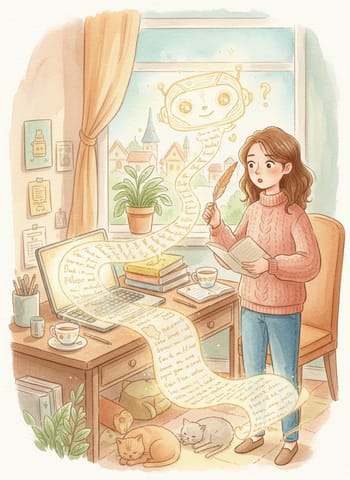
A novelist realizes her AI writing assistant has quietly taken over her voice, and has to relearn how to write her own imperfect sentences.
Itu cuplikannya! Dengarkan cerita lengkapnya di aplikasi Storyteller gratis. Unduh aplikasi
Audio belum tersedia saat ini.
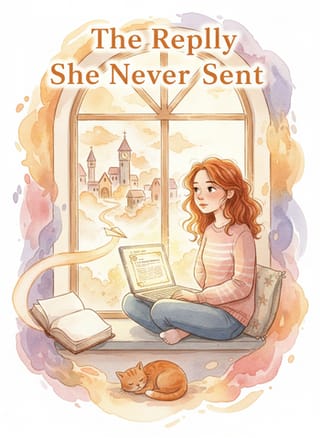
Mireille had bought the writing assistant to help her past a stubborn chapter, not to replace her own voice. It was supposed to suggest a few sentences when she got stuck, nothing more.
Mireille membeli asisten menulis itu untuk membantunya melewati satu bab yang membandel, bukan untuk menggantikan suaranya sendiri. Alat itu seharusnya hanya menyarankan beberapa kalimat saat ia buntu, tidak lebih.
By the third month, though, she had started accepting its suggestions more often than she rewrote them. The assistant had clearly been trained on thousands of novels, and it produced clean, competent prose faster than she could think.
Namun pada bulan ketiga, ia mulai menerima sarannya lebih sering daripada menulis ulang sendiri. Asisten itu jelas dilatih dengan ribuan novel, dan menghasilkan prosa yang bersih dan cakap lebih cepat daripada ia sanggup berpikir.
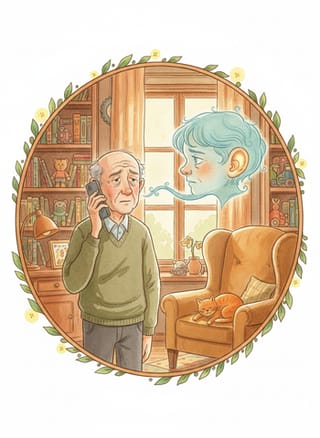
Her editor called about the new chapters, sounding puzzled rather than pleased. "These read well, but they don't sound like you anymore. Where's the messiness? The sentences that used to run too long on purpose?"
Editornya menelepon soal bab-bab baru itu, terdengar bingung, bukan senang. "Tulisan ini enak dibaca, tapi sudah tidak terdengar seperti kamu. Mana keberantakannya? Kalimat-kalimat yang dulu sengaja kamu buat terlalu panjang?"
"I've just been writing faster," Mireille said, though even as she said it, she knew that wasn't quite honest.
"Aku hanya menulis lebih cepat," kata Mireille, walau saat mengucapkannya pun ia tahu itu tidak sepenuhnya jujur.
If she had shown her editor the draft history, the truth would have been obvious: whole paragraphs generated, then lightly edited, then kept. She hadn't lied exactly, but she hadn't corrected the assumption either.
Seandainya ia menunjukkan riwayat draf kepada editornya, kebenarannya akan jelas: seluruh paragraf dihasilkan, lalu disunting sedikit, lalu dipertahankan. Ia tidak berbohong persis, tetapi ia juga tidak meluruskan anggapan itu.
That night, she opened the manuscript and read a passage the assistant had written for her. It was a scene where the protagonist finally admits something she'd been avoiding for chapters.
Malam itu, ia membuka naskahnya dan membaca satu bagian yang ditulis asisten itu untuknya. Itu adegan ketika tokoh utamanya akhirnya mengakui sesuatu yang sudah berbab-bab ia hindari.
It was well constructed. It was also, Mireille realized, entirely hollow — technically sound sentences with nothing underneath them, because the tool had never actually admitted anything itself. It had no chapters it was avoiding.
Adegan itu tersusun baik. Namun, Mireille menyadari, adegan itu juga sepenuhnya hampa: kalimat-kalimat yang benar secara teknis tanpa apa pun di bawahnya, karena alat itu sendiri tak pernah mengakui apa pun. Ia tak punya bab yang ia hindari.
She deleted the passage and stared at the blank page that replaced it, feeling something close to panic. Could she still write it herself, after months of leaning on suggestions?
Ia menghapus bagian itu dan menatap halaman kosong penggantinya, merasakan sesuatu yang mendekati panik. Masih bisakah ia menulisnya sendiri, setelah berbulan-bulan bersandar pada saran?
She wrote badly for almost an hour, sentences that ran too long, ideas that circled without landing. Then, slowly, something in the rhythm returned — clumsy, but unmistakably hers.
Ia menulis dengan buruk selama hampir satu jam, kalimat-kalimat yang terlalu panjang, gagasan yang berputar-putar tanpa mendarat. Lalu, perlahan, sesuatu dalam iramanya kembali, canggung, tetapi tak diragukan lagi miliknya.
The next morning, she emailed her editor. "The last three chapters need rewriting. I'll have new drafts by Friday."
Keesokan paginya, ia mengirim surel kepada editornya. "Tiga bab terakhir perlu ditulis ulang. Draf barunya akan kukirim hari Jumat."
"Everything okay?" the editor wrote back.
"Semuanya baik-baik saja?" balas sang editor.
"Better than okay," Mireille replied. "I'd just forgotten what my own bad sentences sounded like. Turns out I missed them."
"Lebih dari baik," jawab Mireille. "Aku hanya lupa seperti apa bunyi kalimat-kalimat burukku sendiri. Ternyata aku merindukannya."
She kept the assistant installed, but she stopped asking it to finish her thoughts. It could suggest a synonym now and then. The admitting, the avoiding, the hollow scenes made honest — those stayed hers.
Ia tetap memasang asisten itu, tetapi berhenti memintanya menuntaskan pikirannya. Alat itu boleh menyarankan sinonim sesekali. Pengakuan, penghindaran, adegan-adegan hampa yang dijadikan jujur, semua itu tetap miliknya.