The Sabbatical Letters
قصة إنجليزية مجانية بالمستوى C1 لمتعلمي اللغات، يمكن قراءتها على الإنترنت بلغات عددها 8، مع إمكانية الاستماع إليها عبر تطبيق Storyteller المجاني.
A visiting academic and a retired harbourmaster exchange pencilled notes tucked inside the returned books of a coastal library.
انتهى المقطع التجريبي! استمع إلى القصة كاملة في تطبيق Storyteller المجاني. حمّل التطبيق
الصوت غير متاح الآن.
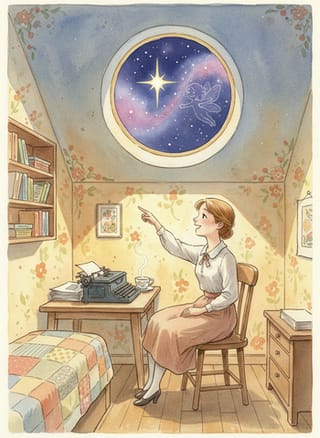
Lydia had come to the coastal town of Harlow Bay for a sabbatical year, and by the third week she had learned that the only dependable heating in the place was the public library's. She worked there in the afternoons, at a long table under a window that rattled in every wind, reading and failing to write. On one of those afternoons she took a novel from the returned-books trolley, the librarian having waved her towards it, and found a slip of paper marking the page where a storm began.
كانت ليديا قد جاءت إلى بلدة خليج هارلو الساحلية في سنة تفرغ، وبحلول الأسبوع الثالث كانت قد عرفت أن التدفئة الوحيدة التي يُعتمد عليها في المكان هي تدفئة المكتبة العامة. كانت تعمل هناك بعد الظهر، إلى طاولة طويلة تحت نافذة ترتجف مع كل ريح، تقرأ وتخفق في الكتابة. وفي أحد تلك الأيام أخذت روايةً من عربة الكتب المعادة، وكانت أمينة المكتبة قد لوّحت لها نحوها، فوجدت قصاصة ورق تعلّم الصفحة التي تبدأ فيها عاصفة.
The slip was written in pencil, in an upright, slightly old-fashioned hand. "The author has the tide wrong here. It would not run that way against a north wind. Not a criticism of the book, only of the sea." Lydia, who had spent the morning staring at a paragraph she disliked, read it twice and felt, absurdly, that she had been addressed. She wrote underneath, "Then how would it run?" and put the book back on the trolley, telling herself that the librarian would shelve it, the slip would be thrown away, and the experiment would end there.
كانت القصاصة مكتوبة بالقلم الرصاص، بخط منتصب قديم الطراز قليلًا. «المؤلف أخطأ في المدّ هنا. لا يجري المد هكذا في مواجهة ريح شمالية. ليس نقدًا للكتاب، بل للبحر فقط.» وقد أمضت ليديا الصباح تحدّق في فقرة لا تحبها، فقرأتها مرتين وشعرت، على نحو عبثي، بأن أحدًا خاطبها. كتبت تحتها: «إذًا كيف يجري؟» وأعادت الكتاب إلى العربة، قائلة لنفسها إن أمينة المكتبة سترتبه على الرف، وإن القصاصة ستُرمى، وإن التجربة ستنتهي عند هذا الحد.
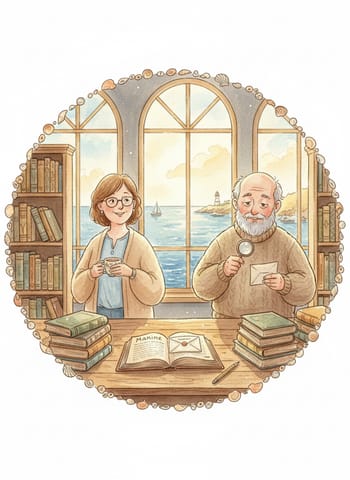
Four days later a different book, a travel memoir marked at a chapter about fog, held an answer in four careful lines, with a diagram. The librarian, asked, would say only that the retired harbourmaster, Zaid, borrowed a great deal and returned things on Thursdays. She said it with the empty face of a woman who has watched several correspondences begin in her returned books. Lydia did not ask to be introduced. Having discovered that she could talk to him without being looked at, she was reluctant to risk the arrangement.
بعد أربعة أيام، حمل كتاب آخر، مذكرات رحلات معلَّم عند فصل عن الضباب، جوابًا في أربعة أسطر متأنية، مع مخطط. أمينة المكتبة، حين سُئلت، لم تقل سوى إن مسؤول الميناء المتقاعد، زيد، يستعير كثيرًا ويعيد الأشياء أيام الخميس. قالتها بالوجه الخالي من التعبير لامرأة شهدت عدة مراسلات تبدأ في كتبها المعادة. لم تطلب ليديا أن يُعرَّفا بعضهما ببعض. فبعد أن اكتشفت أنها تستطيع التحدث إليه دون أن ينظر إليها أحد، لم تشأ المجازفة بهذا الترتيب.
Through the winter the notes multiplied, though only slightly. They discussed weather, mostly, and then lighthouses, and why one stretch of coast made her homesick when it looked nothing like home. Once he left a small drawing of a knot, captioned "this one holds when nothing else will", and she carried it in her coat pocket for a week. What she noticed was how little either of them asked. He never said why he had stopped going to sea, and she never explained what she was failing to write.
طوال الشتاء تكاثرت الملاحظات، وإن قليلًا فقط. تحدثا عن الطقس في الغالب، ثم عن المنارات، وعن سبب إحساسها بالحنين إلى الوطن أمام امتداد معين من الساحل مع أنه لا يشبه وطنها في شيء. وترك مرة رسمًا صغيرًا لعقدة، كتب تحته: «هذه تثبت حين لا يثبت غيرها»، وحملته في جيب معطفها أسبوعًا. وما لاحظته هو قلة ما سأل به كل منهما الآخر. لم يقل قط لماذا كفّ عن الإبحار، ولم تشرح هي ما تخفق في كتابته.
Once, in February, she saw him. She was almost certain: a tall man in a worn blue jacket at the far shelves, running a finger along the spines with the patience of someone who has the whole afternoon. Had she been a braver person, she would have crossed the room. Instead she stayed at her table with her pen hovering, and he left without turning round, and on Thursday the trolley carried a note that said only, "The light is coming back earlier now."
في فبراير رأته مرة واحدة. كانت شبه متأكدة: رجل طويل بسترة زرقاء بالية عند الرفوف البعيدة، يمرر إصبعه على كعوب الكتب بصبر من يملك عصرًا بأكمله. لو كانت أشجع، لعبرت الغرفة. لكنها بقيت إلى طاولتها وقلمها معلق في الهواء، وغادر هو دون أن يلتفت، وفي يوم الخميس حملت العربة ملاحظة لم يُكتب فيها سوى: «الضوء يعود أبكر الآن.»
By the end of spring her year was nearly over, and so, she suspected, was the thing she did not know how to name. Only on the fourth attempt did she arrive at a version she could bear. It was short: "I leave on Saturday. Thank you for correcting the sea." She borrowed the first novel again for the purpose, folded the note into the page where the storm began, and set the book on the trolley on Thursday morning.
بحلول نهاية الربيع كانت سنتها توشك أن تنتهي، وكذلك، كما ظنت، ذلك الشيء الذي لم تعرف كيف تسميه. ولم تصل إلا في المحاولة الرابعة إلى صيغة تطيقها. كانت قصيرة: «أغادر يوم السبت. شكرًا لك على تصحيح البحر.» استعارت الرواية الأولى مرة أخرى لهذا الغرض، وطوت الرسالة في الصفحة التي تبدأ فيها العاصفة، ووضعت الكتاب على العربة صباح الخميس.
She did not stay to see who came for it. At the door the librarian, who had said nothing all year, remarked that she would make sure it was shelved with care. It was not what Lydia had asked, and not, she thought, quite what the woman meant. Outside, the wind had turned to the north. Lydia stood for a moment on the steps, looking at the water beyond the harbour wall, and could not tell which way it was running.
لم تبقَ لترى من سيأتي لأخذه. عند الباب علّقت أمينة المكتبة، التي لم تقل شيئًا طوال العام، بأنها ستحرص على أن يُرتَّب على الرف بعناية. لم يكن هذا ما طلبته ليديا، ولا، كما ظنت، تمامًا ما قصدته المرأة. في الخارج كانت الريح قد صارت شمالية. وقفت ليديا لحظة على الدرجات، تنظر إلى الماء وراء جدار الميناء، ولم تستطع أن تعرف في أي اتجاه يجري.