The Pattern Report
一个面向英语学习者的免费 C1 级英语故事,可用 7 种语言在线阅读,也可以在免费的 Storyteller 应用中收听。
A teenager's journaling app generates a monthly report linking her repeated wish to quit choir to entries about solo nerves, forcing her to question a story she's been telling herself.
试听结束!在免费的 Storyteller 应用中收听完整故事。 下载应用
音频暂时无法播放。
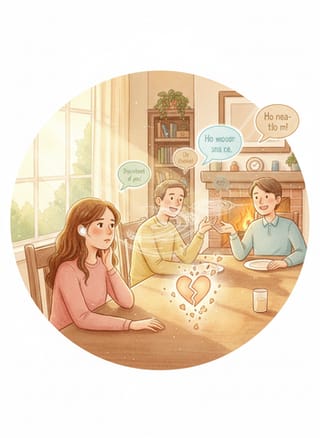
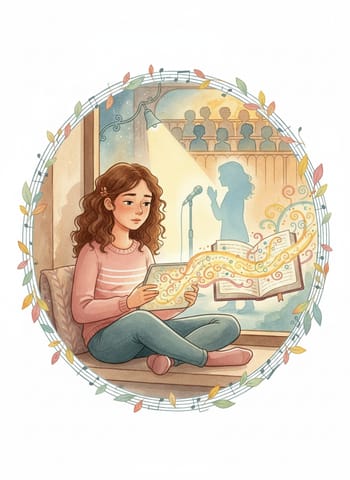
The app was supposed to be a private thing — just somewhere to type before bed, three or four lines most nights, more when something had actually happened. What Esme hadn't fully registered when she signed up was the monthly report, a feature buried in the settings that she'd approved without reading closely. It arrived on the first of the month, and this one opened with a line that stopped her halfway through her toothbrushing.
这个应用本该是个私人的东西,只是睡前可以敲几行字的地方,大多数晚上三四行,真有事发生的时候就多写些。埃斯梅注册时没有完全留意的,是每月报告,这个功能藏在设置里,她没细看就同意了。它在每月一号送到,而这一份,开头的一句话让她刷牙刷到一半就停住了。
You mentioned wanting to quit choir nine times this month. In seven of those entries, you also mentioned feeling nervous about solos.
这个月你有九次提到想退出合唱团。其中七篇记录里,你还提到对独唱感到紧张。
Reading it twice, she closed the app harder than she needed to. It felt less like a summary of her own writing than an accusation dressed up as a statistic. It was as though a piece of software she paid a monthly subscription for had appointed itself the authority on her own feelings, based on nothing but word frequency and proximity.
她读了两遍,把应用关得比必要的更用力。这与其说是对她自己所写内容的总结,不如说是一份披着统计数字外衣的指责。仿佛一个她按月付订阅费的软件,凭着词频和词语的邻近关系,就擅自把自己任命为她内心感受的权威。
"It's not wrong, though," Tunde said the next day, unhelpfully, when she showed him. They'd sat next to each other in choir since September, close enough that he'd have noticed if she was lying to herself about this. "You've said the quitting thing to me too. Like, a lot."
“可它说得也没错啊,”第二天她给通德看时,他毫不体贴地说。九月以来,他们一直并排坐在合唱团里,近得要是她在这件事上骗自己,他肯定会发现。“你跟我也说过想退出的事。好像还说了很多次。”
"I'm just busy. Rehearsals are three hours now."
“我只是太忙了。排练现在要三个小时。”
"Sure." He didn't push it further, which somehow made it worse than if he had.
“是啊。”他没再追问,这不知怎的比追问更糟。
What unsettled Esme, once she let the report sit for a day instead of deleting it outright, wasn't that the pattern existed. She could have found that pattern herself, had she ever gone back and reread a month of entries in one sitting — which she never had. It was that a piece of software with no idea who she actually was had noticed something about her faster than she had noticed it about herself. Rarely had she felt quite so exposed by something so mechanical.
等她把报告放了一天、而不是当场删掉之后,让埃斯梅不安的,并不是这个规律存在。要是她哪天坐下来一口气重读一个月的记录,她自己也能发现这个规律,只是她从来没有这样读过。真正让她不安的,是一个根本不知道她是谁的软件,竟比她自己更快地注意到了她身上的某种东西。她很少感到自己被这样一个机械的东西看得如此透彻。
She didn't fully trust the report, even after that. It knew word patterns, not her. It couldn't have told the difference between genuine exhaustion and a fear dressed up as exhaustion, not really, and she was wary of letting a chart decide that for her outright. But it had asked a question worth sitting with, which was more than she'd been asking herself.
即便如此,她也没有完全相信那份报告。它懂的是词语的规律,不是她。它真的分不清真正的疲惫和一种披着疲惫外衣的恐惧,她也不想让一张图表替她把这件事定下来。可它问了一个值得好好想一想的问题,这比她一直问自己的要多。
The solo audition sign-up sheet was still on the choir room door on Thursday, one space left. Esme wrote her name on it before she could open the app again and ask it what it thought.
星期四,独唱试唱的报名表还贴在合唱团教室的门上,只剩一个名额。埃斯梅在自己再次打开应用、问它怎么想之前,把自己的名字写了上去。