The Second Chair
भाषा सीखने वालों के लिए स्तर C1 की एक मुफ़्त अंग्रेज़ी कहानी, जिसे 6 भाषाओं में ऑनलाइन पढ़ा जा सकता है और मुफ़्त Storyteller ऐप में सुना भी जा सकता है।
Two years after her husband's death, a widowed violinist has to decide whether accepting her new stand partner's invitation to dinner means betraying eleven years of marriage or simply making room for something else.
झलक पूरी हुई! पूरी कहानी मुफ़्त Storyteller ऐप में सुनें। ऐप पाएँ
अभी ऑडियो उपलब्ध नहीं है।
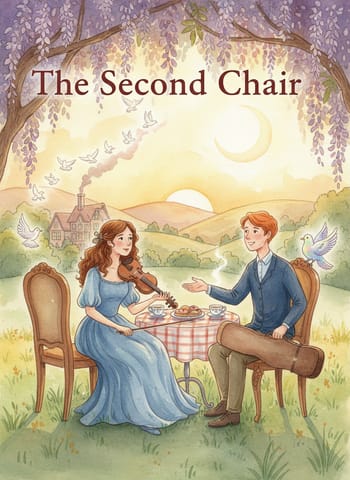
Ilse had played second chair violin in the community orchestra for eleven years, by choice rather than lack of skill. Bram had come to every rehearsal he could manage, sitting in the third row with a paperback he rarely opened. He seemed content simply to be present while she played a part she'd never once tried to trade up from. After he died, she kept the seat. She told herself this was about the music, not about him, though she was never entirely convinced by her own explanation.
इल्से ग्यारह साल से सामुदायिक ऑर्केस्ट्रा में सेकंड चेयर वायलिन बजा रही थी, हुनर की कमी से नहीं, अपनी पसंद से। ब्रैम हर उस रिहर्सल में आता था जिसमें वह आ सकता था, तीसरी पंक्ति में एक पेपरबैक किताब लिए बैठा, जिसे वह शायद ही कभी खोलता। वह बस वहाँ मौजूद रहकर संतुष्ट लगता था, जबकि वह वह भूमिका निभाती थी जिसे बदलकर ऊपर चढ़ने की उसने कभी कोशिश नहीं की। उसके गुज़र जाने के बाद, उसने वह सीट रखी। उसने ख़ुद को समझाया कि यह संगीत की वजह से है, उसकी वजह से नहीं, हालाँकि अपनी ही इस व्याख्या से वह कभी पूरी तरह आश्वस्त नहीं हुई।
Cyrus took the empty first-chair seat beside her in the spring, two years after Bram's funeral. He was new to the city and, at first, unaware that he'd been placed next to a woman whose husband's absence occupied the third row more thoroughly than any of the audience members did. He was a decent player, better than decent, and he had the specific, undemanding kindness of someone who noticed things without commenting on them. There were the flowers she sometimes left, unexplained, near a particular seat after rehearsal. There was the way she avoided a certain Brahms passage that came up more often than either of them found convenient.
साइरस ने वसंत में उसके बग़ल की ख़ाली फ़र्स्ट चेयर संभाली, ब्रैम के अंतिम संस्कार के दो साल बाद। वह शहर में नया था और, शुरू में, इस बात से अनजान कि उसे ऐसी औरत के पास बिठाया गया है जिसके पति की ग़ैरहाज़िरी तीसरी पंक्ति को किसी भी दर्शक से ज़्यादा भरपूर घेरे हुए थी। वह एक अच्छा वादक था, अच्छे से भी बेहतर, और उसमें उस ख़ास, बिना माँग की दयालुता थी जो चीज़ें नोटिस करती है पर उन पर टिप्पणी नहीं करती। रिहर्सल के बाद किसी ख़ास सीट के पास कभी-कभार बिना किसी वजह के छोड़े जाने वाले फूल थे। ब्राह्म्स का एक ख़ास हिस्सा था जिससे वह बचती थी, जो उन दोनों की सुविधा से कहीं ज़्यादा बार आ जाता था।
Their friendship built itself slowly, out of shared stands and shared jokes about the conductor's tempo. Then, one evening in autumn, walking her to her car the way he had for several weeks without either of them naming it, he finally said the thing he'd clearly been rehearsing. "I'd like to take you to dinner. Not as colleagues."
उनकी दोस्ती धीरे-धीरे बनी, साझा स्टैंडों और कंडक्टर की रफ़्तार पर साझा मज़ाक़ों से। फिर, पतझड़ की एक शाम, उसे उसकी कार तक छोड़ते हुए, जैसा वह कई हफ़्तों से बिना किसी के नाम लिए करता आ रहा था, उसने आख़िरकार वह बात कह दी जिसकी वह साफ़ तौर पर रिहर्सल करता रहा था। "मैं तुम्हें डिनर पर ले जाना चाहता हूँ। सहकर्मियों की तरह नहीं।"
Had she answered immediately, she suspects she would have said no, out of a reflex closer to loyalty than to honesty. She didn't answer immediately. "I don't know if I'm allowed to want that," she said instead, which surprised her more than it seemed to surprise him.
अगर उसने तुरंत जवाब दिया होता, तो उसे लगता है कि वह मना कर देती, एक ऐसी प्रतिक्रिया से जो ईमानदारी से ज़्यादा वफ़ादारी के क़रीब थी। उसने तुरंत जवाब नहीं दिया। "मुझे नहीं पता कि मुझे यह चाहने की इजाज़त है या नहीं," उसने इसके बजाय कहा, जिसने उसे उससे ज़्यादा हैरान किया जितना वह उसे हैरान करता दिखा।
"Allowed by whom?"
"किसकी इजाज़त?"
"I don't actually know. Bram, maybe. Or some version of myself that thinks wanting this means the eleven years before it mattered less."
"सच कहूँ तो मुझे नहीं पता। शायद ब्रैम की। या मेरे ही किसी रूप की, जो सोचता है कि इसे चाहने का मतलब है कि उससे पहले के ग्यारह साल कम मायने रखते थे।"
What Cyrus said next was not, she would think later, the reassurance she'd braced for. "I'm not asking you to stop being his. I'm asking whether there's room for something that isn't instead of him — just additional." He paused. "I'll still be second chair to whatever you decide about that. I'm used to the seat."
साइरस ने आगे जो कहा, वह, उसने बाद में सोचा, वह तसल्ली नहीं थी जिसके लिए वह तैयार थी। "मैं तुमसे यह नहीं कह रहा कि तुम उसकी होना छोड़ दो। मैं पूछ रहा हूँ कि क्या किसी ऐसी चीज़ के लिए जगह है जो उसकी जगह नहीं है, बस उसके साथ एक और।" वह रुका। "तुम इस बारे में जो भी तय करो, मैं उसके लिए सेकंड चेयर ही रहूँगा। मुझे उस सीट की आदत है।"
She laughed despite herself, the first unguarded laugh she'd managed in the third row's general direction in longer than she could easily count. Rarely had a joke about orchestra seating landed quite so precisely on the actual question underneath it.
वह ख़ुद-ब-ख़ुद हँस पड़ी, तीसरी पंक्ति की आम दिशा में उसकी पहली बेझिझक हँसी, इतने समय बाद कि गिनना आसान नहीं था। ऑर्केस्ट्रा की सीटों के बारे में किसी मज़ाक़ ने शायद ही कभी उसके नीचे के असली सवाल पर इतनी ठीक चोट की थी।
She didn't answer him that night, not fully. But the following Tuesday, she brought two coffees to rehearsal instead of one and set the second down on the stand beside her own. She let that stand as the answer neither of them needed spelled out any further.
उसने उसे उस रात जवाब नहीं दिया, पूरी तरह नहीं। पर अगले मंगलवार वह रिहर्सल में एक कॉफ़ी की जगह दो कॉफ़ी लाई और दूसरी को अपने स्टैंड के बग़ल वाले स्टैंड पर रख दिया। उसने इसे वह जवाब रहने दिया जिसे उन दोनों को और खोलकर कहने की ज़रूरत नहीं थी।