The Bell on Plank Nine
قصة إنجليزية مجانية بالمستوى A2 لمتعلمي اللغات، يمكن قراءتها على الإنترنت بلغات عددها 8، مع إمكانية الاستماع إليها عبر تطبيق Storyteller المجاني.
Gus wishes his old bridge could tell him when it is hurt, and a loud new doorbell begins to ring for every weak plank.
انتهى المقطع التجريبي! استمع إلى القصة كاملة في تطبيق Storyteller المجاني. حمّل التطبيق
الصوت غير متاح الآن.
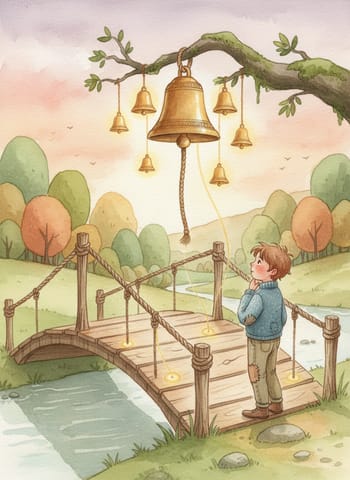
Gus fixed the old footbridge at the end of his street. It crossed a deep ravine. The wood was grey and soft. The ropes were older than Gus.
كان غاس يصلح الجسر الخشبي القديم للمشاة في نهاية شارعه. كان يعبر فوق وادٍ عميق. وكان الخشب رماديًا ولينًا. وكانت الحبال أقدم من غاس.
Every morning he walked along it with a hammer. He pushed each plank with his boot. He listened for a bad sound. Some planks were safe. Some planks were not.
كل صباح كان يمشي عليه ومعه مطرقة. وكان يدفع كل لوح بحذائه. وينصت إلى صوت رديء. بعض الألواح كانت آمنة. وبعضها لم يكن كذلك.
"One day a plank will break," he told his cat. "And I will not be there."
«في يوم ما سينكسر لوح»، قال لقطه. «ولن أكون هناك.»
The cat looked at him and said nothing.
نظر القط إليه ولم يقل شيئًا.
The bridge had forty-two planks. Gus could not check them all every hour. He had a bad knee. He also worked at the mill on the far side. The mill took most of his day.
كان في الجسر اثنان وأربعون لوحًا. ولم يكن غاس يستطيع أن يفحصها كلها كل ساعة. كانت ركبته تؤلمه. وكان يعمل أيضًا في المطحنة على الجانب الآخر. وكانت المطحنة تأخذ معظم يومه.
On Tuesday, Rumi came across with her cart. She sold soap, nails and pots to the farms on the hill. She came every week. Her donkey walked slowly, and the wheels made the whole bridge shake.
في يوم الثلاثاء، عبرت رومي الجسر ومعها عربتها. كانت تبيع الصابون والمسامير والقدور للمزارع على التل. وكانت تأتي كل أسبوع. وكان حمارها يمشي ببطء، وكانت العجلات تجعل الجسر كله يهتز.
"Your bridge sings when I cross it," said Rumi.
«جسرك يغني عندما أعبره»، قالت رومي.
"It is not a song," said Gus. "It is a warning."
«ليس غناءً»، قال غاس. «بل هو تحذير.»
"Then it needs a better voice," said Rumi. She laughed and pulled the donkey on.
«إذًا يحتاج إلى صوت أفضل»، قالت رومي. ضحكت وجرّت الحمار إلى الأمام.
That evening Gus sat on the bridge. His feet hung over the edge. The ravine was dark and very deep. A small stone fell from his hand. He did not hear it land.
في ذلك المساء جلس غاس على الجسر. كانت قدماه متدليتين فوق الحافة. كان الوادي مظلمًا وعميقًا جدًا. سقط حجر صغير من يده. ولم يسمعه يصل إلى القاع.
"I wish you could talk," he said to the bridge. "I wish you could tell me when you are hurt."
«ليتك تستطيع الكلام»، قال للجسر. «ليتك تخبرني عندما تتأذى.»
Nothing answered. Of course not. It was only wood. Gus went home to bed.
لم يجب شيء. بالطبع لا. لم يكن سوى خشب. وعاد غاس إلى بيته لينام.
That week he also bought a new doorbell. It was in a box on his kitchen table. His last doorbell was a toy bird. It shouted "Visitor!" at midnight, and Gus hated it.
وفي ذلك الأسبوع اشترى أيضًا جرس باب جديدًا. كان في علبة على طاولة مطبخه. وكان جرس بابه السابق لعبة على شكل طائر. كان يصيح «زائر!» عند منتصف الليل، وكان غاس يكرهه.
"This one has no parrot inside," the shop owner told him. "It does not talk. It only rings. It is the loudest bell I sell."
«هذا الجرس ليس فيه ببغاء»، قال له صاحب المحل. «لا يتكلم. لا يفعل سوى أن يرن. وهو أعلى جرس أبيعه.»
"Good," said Gus.
«جيد»، قال غاس.
In the morning, the box on his table was empty. Gus looked under the table. He looked in the garden. Then a sound came from the bridge.
في الصباح، كانت العلبة على طاولته فارغة. نظر غاس تحت الطاولة. نظر في الحديقة. ثم جاء صوت من الجسر.
DING-DONG!
«دينغ دونغ!»
It was so loud that the birds left the trees. Gus ran out of the house. His knee hurt, but he did not stop.
كان عاليًا جدًا حتى إن الطيور غادرت الأشجار. ركض غاس خارجًا من البيت. كانت ركبته تؤلمه، لكنه لم يتوقف.
The new bell sat on the first post of the bridge. A thin silver wire went from the bell along the rope. It looked like a vine, but it was not a plant. Gus did not know that wire.
كان الجرس الجديد مثبتًا على أول عمود في الجسر. وكان سلك فضي رفيع يمتد من الجرس على طول الحبل. بدا كأنه نبتة متسلقة، لكنه لم يكن نباتًا. ولم يكن غاس يعرف ذلك السلك.
Rumi stood on the bridge with her hand on her chest. Her donkey stood far behind her with stiff legs.
كانت رومي واقفة على الجسر ويدها على صدرها. وكان حمارها واقفًا بعيدًا خلفها وساقاه متصلبتان.
"I did nothing," said Rumi. "I took one step, and the whole world screamed."
«لم أفعل شيئًا»، قالت رومي. «خطوتُ خطوة واحدة، فصرخ العالم كله.»
"Which step?" asked Gus.
«أي خطوة؟» سأل غاس.
"The ninth plank."
«اللوح التاسع.»
Gus knelt down and pushed plank nine with his thumb. The wood was soft like old cheese. He stood on plank ten. Nothing happened. He stepped back onto plank nine.
جثا غاس على ركبتيه ودفع اللوح رقم تسعة بإبهامه. كان الخشب لينًا كالجبن القديم. ووقف على اللوح العاشر. لم يحدث شيء. ثم عاد بخطوة إلى اللوح رقم تسعة.
DING-DONG!
«دينغ دونغ!»
It was louder this time. Gus began to laugh.
كان الصوت أعلى هذه المرة. بدأ غاس يضحك.
"I asked the bridge to talk," he said. "It gave me a bell."
«طلبتُ من الجسر أن يتكلم»، قال. «فأعطاني جرسًا.»
"A bell is better," said Rumi. "A bridge with words never stops talking."
«الجرس أفضل»، قالت رومي. «الجسر الذي يملك كلمات لا يكف عن الكلام أبدًا.»
They walked over the bridge together, one plank at a time. Gus counted out loud. Most planks stayed quiet. Plank seventeen made a small ding, like a spoon on a cup. Plank twenty-three made a bigger one. Plank nine was still the loudest.
مشيا على الجسر معًا، لوحًا لوحًا. كان غاس يعد بصوت عالٍ. وبقيت معظم الألواح صامتة. أصدر اللوح السابع عشر رنة خافتة، كملعقة على فنجان. وأصدر اللوح الثالث والعشرون رنة أكبر. وظل اللوح رقم تسعة هو الأعلى صوتًا.
"The worse the plank, the louder the bell," said Rumi.
«كلما كان اللوح أسوأ، كان الجرس أعلى صوتًا»، قالت رومي.
"Yes," said Gus. "And I did not know about twenty-three."
«نعم»، قال غاس. «ولم أكن أعرف شيئًا عن الثالث والعشرين.»
He wrote the numbers on his hand with a pencil. His hand shook a little. He walked here for years, and he missed one.
كتب الأرقام على يده بقلم رصاص. ارتجفت يده قليلًا. فقد مشى هنا لسنوات، وفاته لوح واحد.
That night the bell woke him up. DING-DONG, DING-DONG, DING-DONG! The noise was terrible. Gus jumped out of bed. He took his lamp and ran to the bridge.
في تلك الليلة أيقظه الجرس. «دينغ دونغ، دينغ دونغ، دينغ دونغ!» كان الضجيج فظيعًا. قفز غاس من سريره. أخذ مصباحه وركض إلى الجسر.
A white goat stood in the middle of the bridge. It stood on plank thirty-one. It chewed a rope and looked very happy.
كان تيس أبيض في وسط الجسر. كان واقفًا على اللوح الحادي والثلاثين. يمضغ حبلًا ويبدو سعيدًا جدًا.
Gus did not shout. He walked slowly and held out his hand. "Come here, you fool," he said. "Come to me."
لم يصرخ غاس. مشى ببطء ومد يده. «تعال إلى هنا أيها الأحمق»، قال. «تعال إليّ.»
The goat came. It was heavy, and the plank under it cracked. A long, dark line ran across the wood. Gus pulled the goat to safety. The plank broke behind them and fell into the ravine.
جاء التيس. كان ثقيلًا، وتشقق اللوح تحته. وامتد خط طويل داكن عبر الخشب. سحب غاس التيس إلى بر الأمان. وانكسر اللوح خلفهما وسقط في الوادي.
For a long time, Gus did not move. He sat on the ground with the goat's head on his knee. The bell was quiet now.
لوقت طويل لم يتحرك غاس. جلس على الأرض ورأس التيس على ركبته. وكان الجرس صامتًا الآن.
"You rang," he told the post. "Now I know."
«لقد رن جرسك»، قال للعمود. «الآن أعرف.»
In the morning, the whole village came to look. They stood at the end of the bridge. Their hands covered their ears.
في الصباح، جاء أهل القرية كلهم لينظروا. وقفوا عند طرف الجسر. وكانت أيديهم تغطي آذانهم.
"The bell is too loud," said a man with a basket.
«الجرس أعلى من اللازم»، قال رجل يحمل سلة.
"It is not loud enough," said Gus. "It woke me. It saved a goat."
«ليس عاليًا بما يكفي»، قال غاس. «لقد أيقظني. وأنقذ تيسًا.»
"It saved my goat!" shouted a woman at the back. "I looked for him all night."
«لقد أنقذ تيسي!» صاحت امرأة في الخلف. «بحثتُ عنه طوال الليل.»
The man with the basket said nothing more.
لم يقل الرجل الذي يحمل السلة شيئًا آخر.
Rumi came with her cart. It was full of new wood and long nails. She did not ask for money. She only said, "I cross this bridge every week. I want to keep crossing it."
جاءت رومي ومعها عربتها. كانت مليئة بخشب جديد ومسامير طويلة. لم تطلب مالًا. اكتفت بأن قالت: «أعبر هذا الجسر كل أسبوع. وأريد أن أظل أعبره.»
They worked all day. Gus put a new plank in the gap at thirty-one. Rumi held the wood. The village children brought water and sat on the ground to watch. Every time a new plank went in, Gus stepped on it. Every time, the bell stayed quiet. The children cheered.
عملوا طوال اليوم. وضع غاس لوحًا جديدًا في الفجوة عند اللوح الحادي والثلاثين. وأمسكت رومي الخشب. وأحضر أطفال القرية الماء وجلسوا على الأرض يشاهدون. وفي كل مرة يوضع لوح جديد، كان غاس يخطو عليه. وفي كل مرة، كان الجرس يظل صامتًا. فهتف الأطفال.
By evening only three planks were left. Plank seventeen was easy. Plank twenty-three took a long time. The wood under it was bad too.
وبحلول المساء لم تبق سوى ثلاثة ألواح. كان اللوح السابع عشر سهلًا. واستغرق اللوح الثالث والعشرون وقتًا طويلًا. وكان الخشب تحته رديئًا هو الآخر.
At last Rumi stood next to plank nine. It was the worst of all.
وأخيرًا وقفت رومي بجانب اللوح رقم تسعة. كان أسوأ الألواح كلها.
"Do you want to step on it one more time?" she asked. "For the sound?"
«هل تريد أن تخطو عليه مرة أخرى؟» سألت. «من أجل الصوت؟»
Gus shook his head. "I know that sound now," he said. "I will not forget it."
هز غاس رأسه. «أعرف ذلك الصوت الآن»، قال. «ولن أنساه.»
He knelt on his sore knee. He took a long nail from his pocket. The bell hung over his head, ready and silent. Gus lifted the hammer and hit the first nail.
جثا على ركبته المؤلمة. أخرج مسمارًا طويلًا من جيبه. وكان الجرس معلقًا فوق رأسه، جاهزًا وصامتًا. رفع غاس المطرقة وضرب أول مسمار.