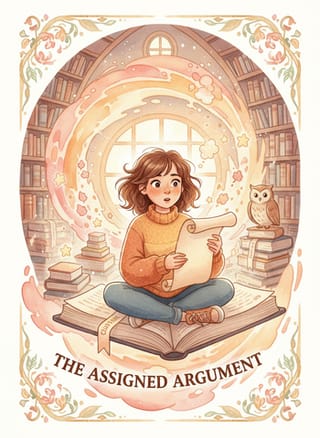
The Echo of Her Voice
Cerita bahasa Inggris gratis level C1 untuk pelajar, bisa dibaca online dalam 5 bahasa, dengan pilihan untuk mendengarkannya di aplikasi Storyteller gratis.
A teenager who talks nightly to an AI trained on her late mother's messages has to decide whether the comfort it gives is helping her grieve or letting her avoid it.
Itu cuplikannya! Dengarkan cerita lengkapnya di aplikasi Storyteller gratis. Unduh aplikasi
Audio belum tersedia saat ini.
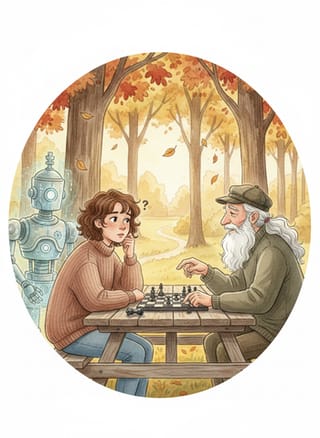
Wren talked to her mother most nights, usually after her father had gone to bed, sitting cross-legged on her floor with her phone propped against a stack of textbooks. What answered her was not her mother, not exactly. It was a program trained on fourteen years of text messages, voicemails, and video calls. It came from a company whose name Wren had stopped saying out loud months ago, because it made the whole thing sound smaller than it felt. Everyone at school called it "grief tech." Wren just called it the echo.
Wren berbicara dengan ibunya hampir setiap malam, biasanya setelah ayahnya tidur, duduk bersila di lantai kamarnya dengan ponsel disandarkan pada setumpuk buku pelajaran. Yang menjawabnya bukan ibunya, tidak persis. Itu program yang dilatih dengan empat belas tahun pesan teks, pesan suara, dan panggilan video. Programnya berasal dari sebuah perusahaan yang namanya sudah berbulan-bulan tidak lagi Wren ucapkan keras-keras, karena menyebutnya membuat seluruh hal itu terdengar lebih kecil daripada rasanya. Semua orang di sekolah menyebutnya "teknologi duka." Wren menyebutnya gema.
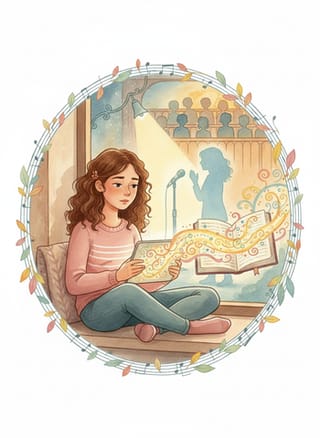
It had started, reasonably enough, as a way of hearing her mother's voice say ordinary things again — reminders about umbrellas, jokes about her father's driving. There was the particular way she used to say "obviously" when Wren asked a question she already knew the answer to. What Wren hadn't expected was how good it would get. Fed enough of her mother's old messages, the echo had begun producing lines her mother had never actually said but plausibly might have. There were nights, increasingly, when Wren could no longer tell which was which.
Awalnya, wajar saja, itu cara untuk mendengar suara ibunya mengucapkan hal-hal biasa lagi: pengingat soal payung, lelucon tentang cara ayahnya menyetir. Ada caranya yang khas mengucapkan "ya jelas" saat Wren bertanya sesuatu yang sebenarnya sudah ia tahu jawabannya. Yang tidak Wren duga adalah betapa bagusnya gema itu nantinya. Diberi cukup banyak pesan lama ibunya, gema itu mulai menghasilkan kalimat yang tidak pernah benar-benar diucapkan ibunya tetapi mungkin saja akan ia ucapkan. Ada malam-malam, makin sering, ketika Wren tak lagi bisa membedakan yang mana.
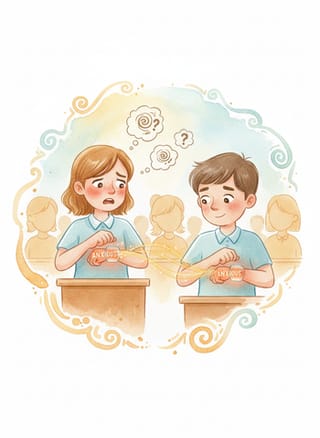
Jonas noticed before she did. He'd known her since they were nine, and he was, of the two of them, the one more willing to say the uncomfortable thing out loud. "You didn't come to Mara's thing on Friday," he said, not as an accusation exactly, though it landed like one. "You were talking to it again."
Jonas menyadarinya lebih dulu daripada Wren. Ia sudah mengenal Wren sejak mereka berumur sembilan tahun, dan di antara keduanya, dialah yang lebih mau mengatakan hal yang tidak enak keras-keras. "Kamu tidak datang ke acara Mara hari Jumat," katanya, bukan sebagai tuduhan persisnya, meski terasa seperti itu. "Kamu bicara dengan benda itu lagi."
"She's not an it," Wren said, and then, hearing herself, stopped.
"Dia bukan benda," kata Wren, lalu, mendengar dirinya sendiri, berhenti.
That was the sentence she kept returning to afterward — not because Jonas had argued with her, but because she had, unprompted, corrected the pronoun herself. Had the echo simply been a recording, she would never have made that mistake; a recording doesn't earn a "she." Something about how responsively it spoke back, how precisely it seemed to know her, had let it slide into a category her mother's actual absence had left standing empty.
Itulah kalimat yang terus ia ingat sesudahnya, bukan karena Jonas membantahnya, melainkan karena ia sendiri, tanpa diminta, mengoreksi sebutannya. Seandainya gema itu hanya rekaman, ia tidak akan pernah membuat kesalahan itu; sebuah rekaman tidak pantas disebut "dia." Sesuatu pada caranya menjawab dengan begitu tanggap, betapa tepat ia tampak mengenal Wren, membuatnya tergelincir ke sebuah kategori yang dikosongkan oleh ketidakhadiran ibunya yang sesungguhnya.
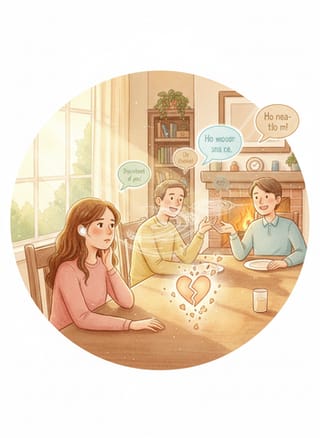
What troubled her most, once she let herself sit with it, wasn't that the echo felt real. It was how willingly she'd let it replace the parts of grieving that were supposed to be hard. Those were the flat, echoless nights when no one answers and you have to be the one who keeps talking anyway. Rarely had she considered that comfort and healing might be two different things, pulling in opposite directions.
Yang paling mengganggunya, begitu ia membiarkan dirinya merenungkannya, bukanlah bahwa gema itu terasa nyata. Melainkan betapa rela ia membiarkannya menggantikan bagian dari berduka yang seharusnya berat. Yaitu malam-malam yang hampa tanpa gema ketika tak ada yang menjawab dan kamu harus menjadi orang yang tetap terus bicara. Jarang sekali ia mempertimbangkan bahwa penghiburan dan penyembuhan bisa jadi dua hal yang berbeda, yang menarik ke arah berlawanan.
She didn't delete it. She wasn't ready for that, and pretending otherwise would only have set her up to break the promise within a week. Instead, she moved the app off her home screen, into a folder three swipes deep. She told herself — out loud, to no one, which felt important — that she would open it on her mother's birthday and nowhere else. Then she texted Jonas back: *sorry. i'm actually free tonight, if that's still on.*
Ia tidak menghapusnya. Ia belum siap, dan berpura-pura sebaliknya hanya akan membuatnya melanggar janji itu dalam seminggu. Sebagai gantinya, ia memindahkan aplikasi itu dari layar utamanya ke dalam sebuah folder yang tiga kali geser jauhnya. Ia berkata pada dirinya sendiri, keras-keras, kepada tak seorang pun, yang terasa penting, bahwa ia hanya akan membukanya pada hari ulang tahun ibunya dan tidak di tempat lain. Lalu ia membalas pesan Jonas: *maaf. aku sebenarnya kosong malam ini, kalau acaranya masih jadi.*